
Traveling to Moldova
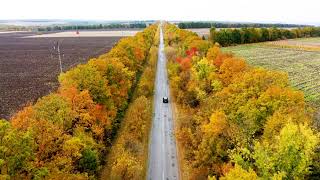
Moldova became my 41st country, a short drive from Ukraine where I was visiting family at the time. It's one of Europe's least-visited nations, and that obscurity is part of its charm.
Moldova is Europe's poorest country by GDP per capita, a small landlocked nation of 2.6 million people squeezed between Romania and Ukraine. It was part of the Soviet Union until 1991, and the Russian influence remains visible. The breakaway region of Transnistria still operates as a de facto Soviet state, complete with hammer-and-sickle flags.
What I Experienced
Chișinău, the capital, has a peculiar atmosphere. Soviet-era architecture dominates, but you can see the country trying to modernize. Parks and tree-lined boulevards give it a surprisingly green feel for an Eastern European capital.
The wine is Moldova's hidden treasure. This is one of the world's most wine-dense countries by percentage of agricultural land devoted to vineyards. The Cricova and Mileștii Mici wine cellars are underground cities - hundreds of kilometers of tunnels filled with aging bottles. We visited and tasted, and the quality surprised me.
The border region near Ukraine (where I captured the video) has a melancholic beauty. Rolling countryside, small villages, the kind of landscape that feels unchanged for decades.
Practical Notes
- Moldovan Leu is the currency
- Romanian and Russian are both widely understood
- Wine tours are the main tourist attraction - and they're excellent
- Transnistria is visitable as a day trip (surreal experience)
- Prices are very low even by Eastern European standards
Moldova is off the beaten path for good reason - there's not much in terms of traditional attractions. But for travelers curious about post-Soviet realities and world-class wine, it's worth the detour.