
Traveling to Canary Islands
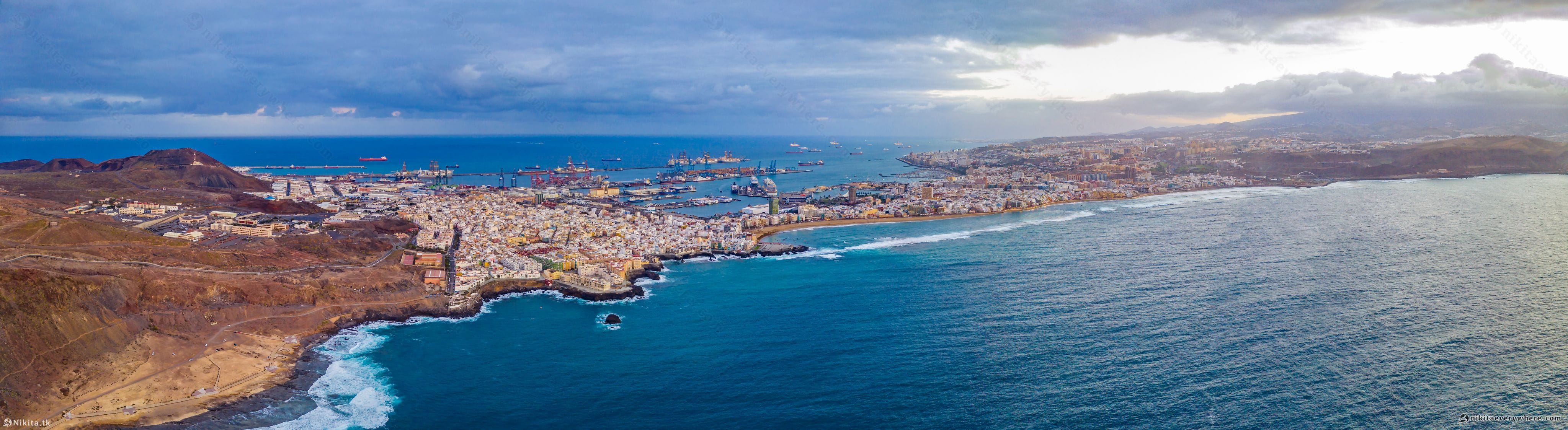



Ten days island-hopping through the Canary Islands! This Spanish archipelago off the coast of Africa offers year-round sunshine and remarkably diverse landscapes. With around 2 million residents across seven main islands, the Canaries are a world apart from mainland Spain.
Fun fact: The Canary Islands were named after dogs (canis in Latin), not canaries - though the birds were later named after the islands!
What I Experienced
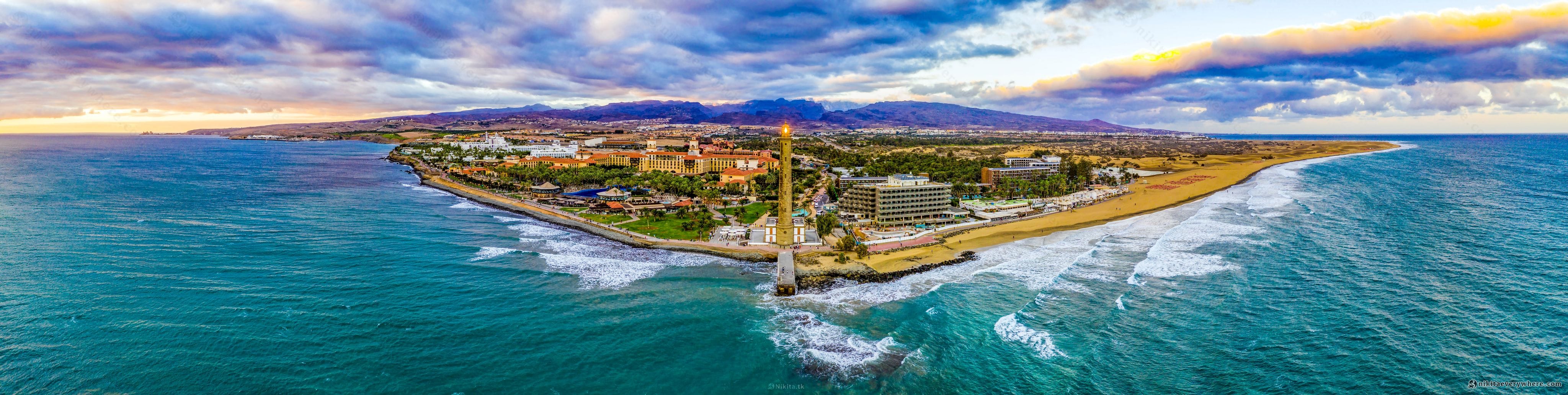
I explored both Gran Canaria and Tenerife, discovering how different each island can be. Gran Canaria felt like a miniature continent - from the dramatic dunes of Maspalomas to the mountainous interior, the variety was stunning. The lighthouse on the southern coast became one of my favorite photo spots.
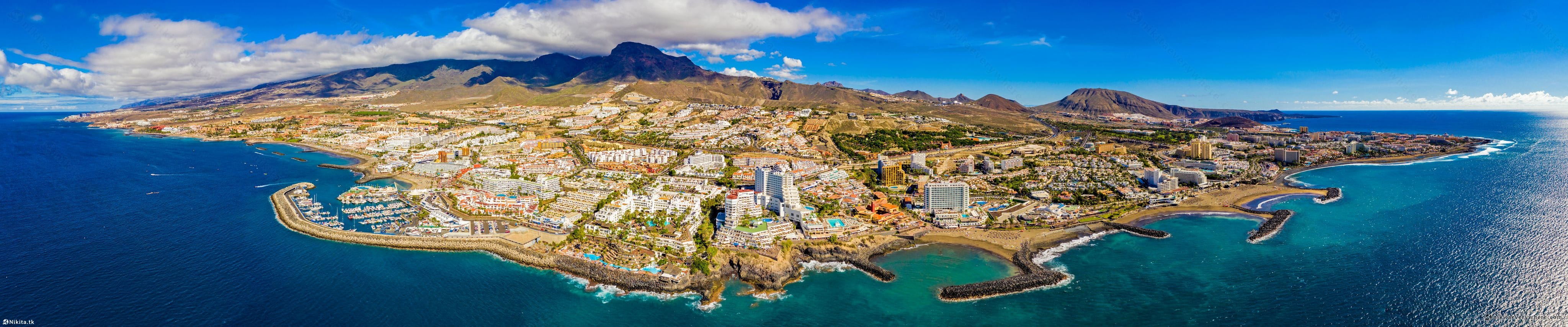
Tenerife offered its own surprises, especially in the north where lush green valleys contrast sharply with the volcanic landscapes around Mount Teide. The sunsets in Los Cristianos were particularly memorable - warm colors painting the sky night after night.
November proved to be perfect timing - warm enough for the beach (around 25°C), but not the scorching summer heat. The tourist crowds were manageable, and I had many scenic spots to myself.
Practical Notes
- November-March is ideal: warm, less crowded, affordable
- Each island has its own character - worth visiting at least two
- Renting a car is essential for proper exploration
- The northern coasts are greener; southern coasts are sunnier
- Mount Teide requires a permit to reach the summit (book ahead)
- Ferry connections between islands are frequent and affordable
High-resolution aerial panoramas from the Canary Islands are available for purchase with commercial license - ideal for island travel marketing, volcanic landscape content, or Atlantic coast wall art.