
Traveling to Qatar
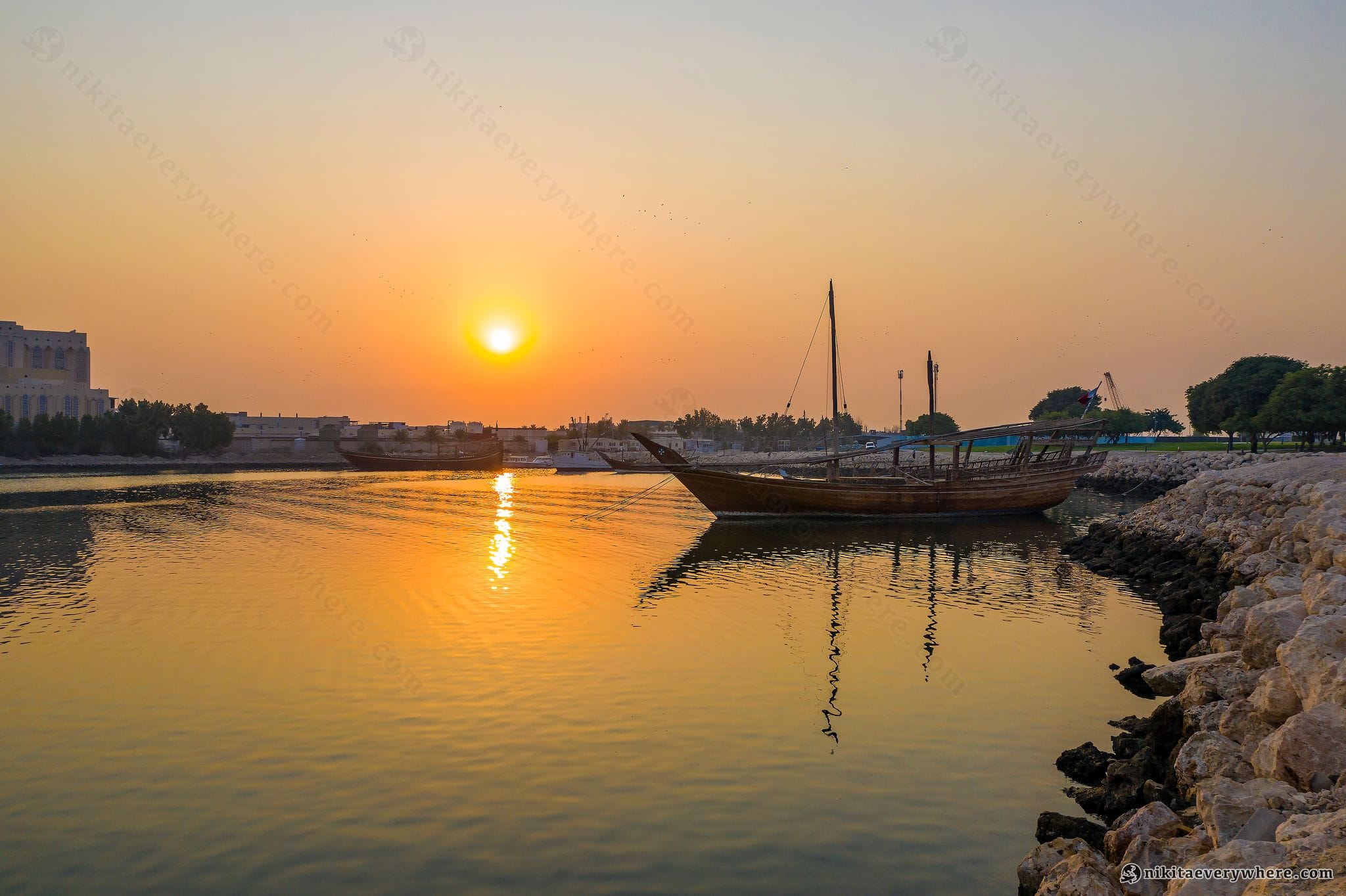
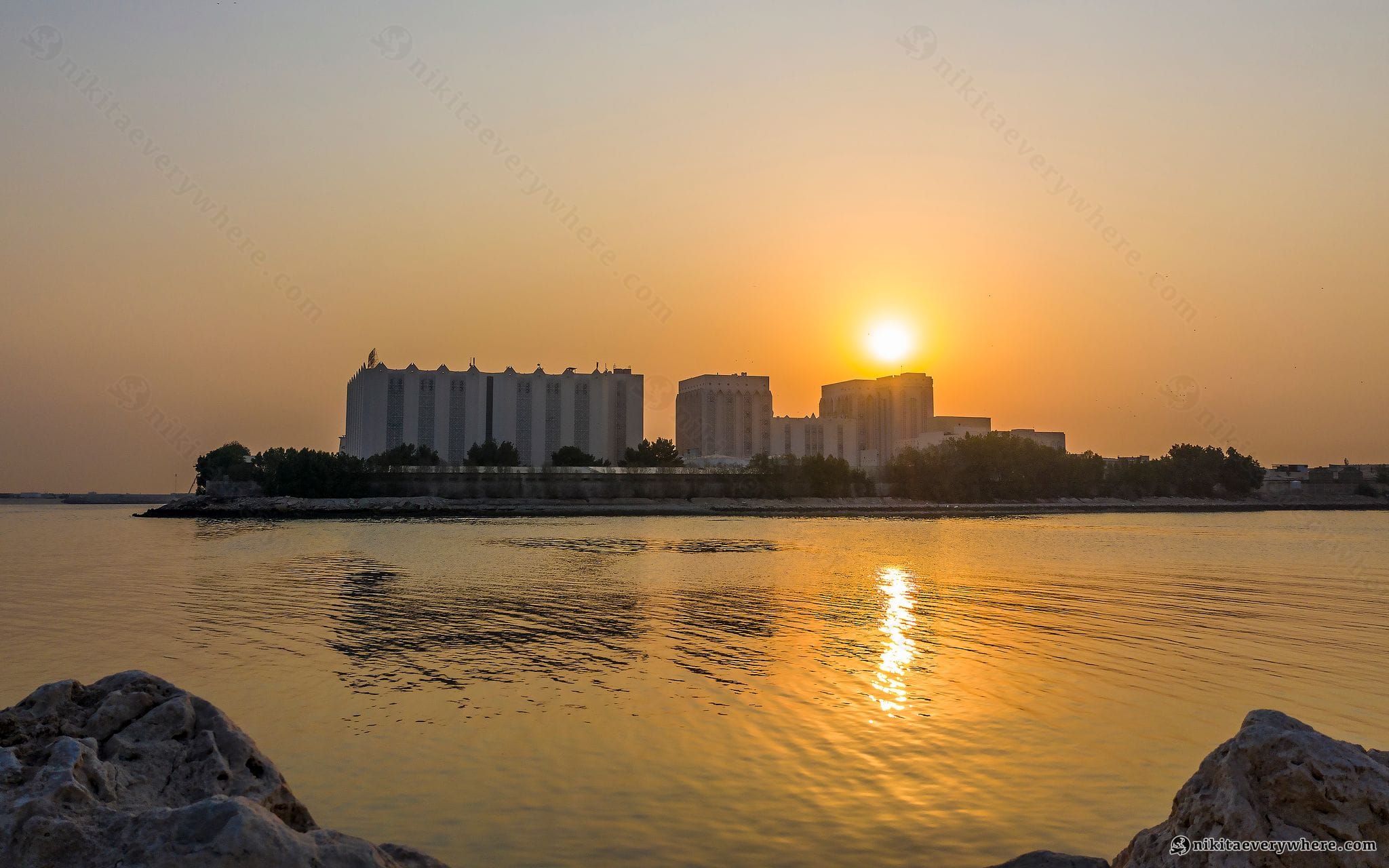
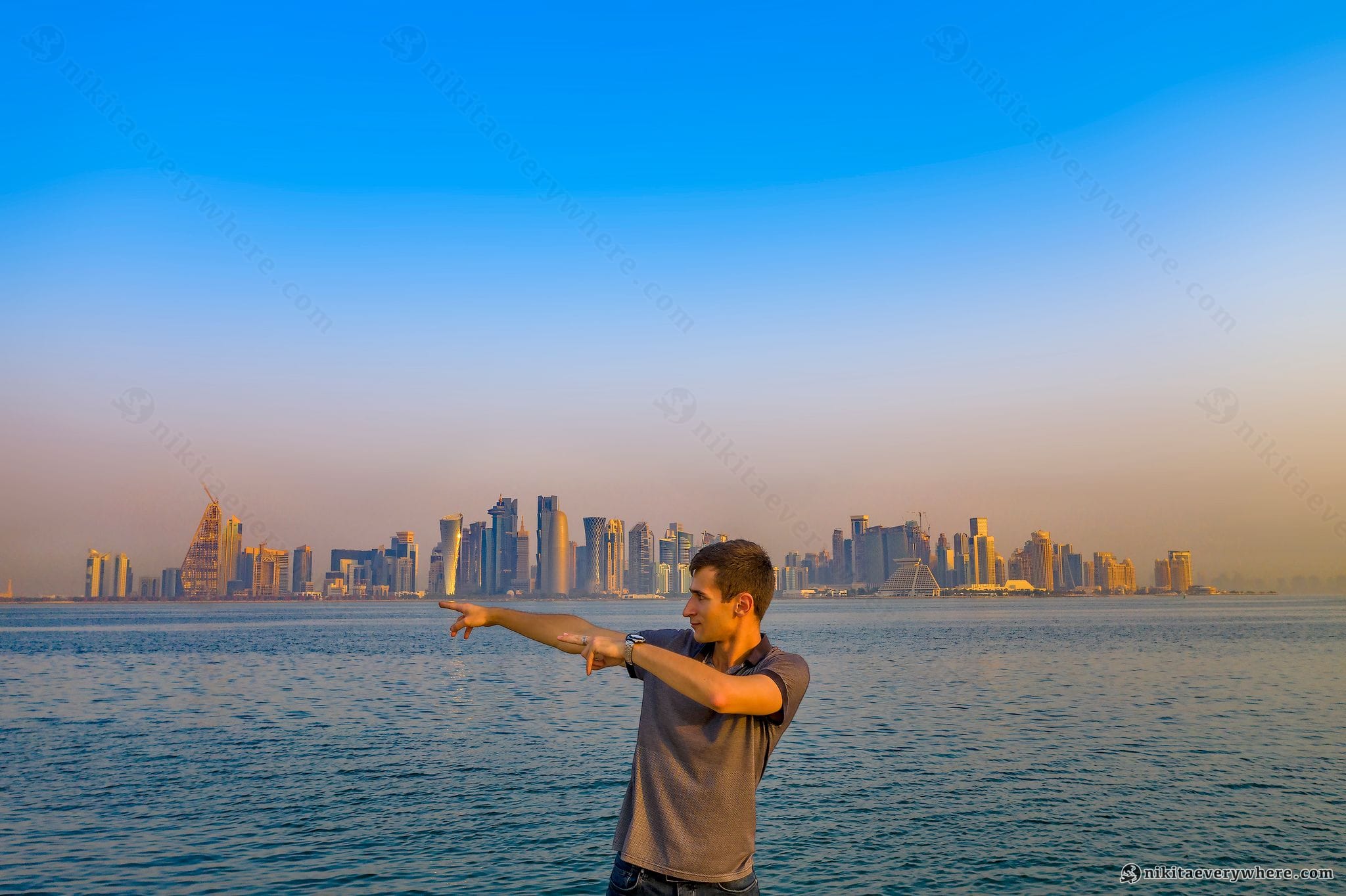
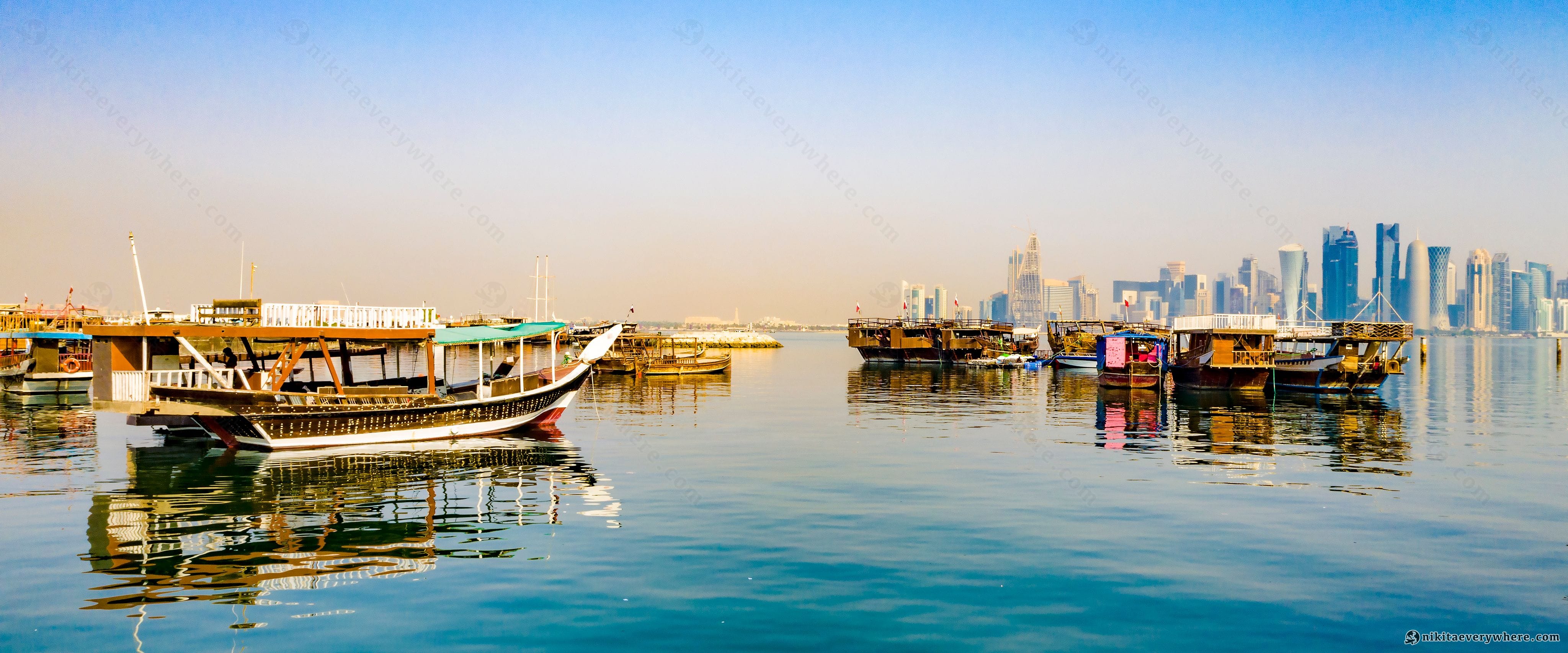
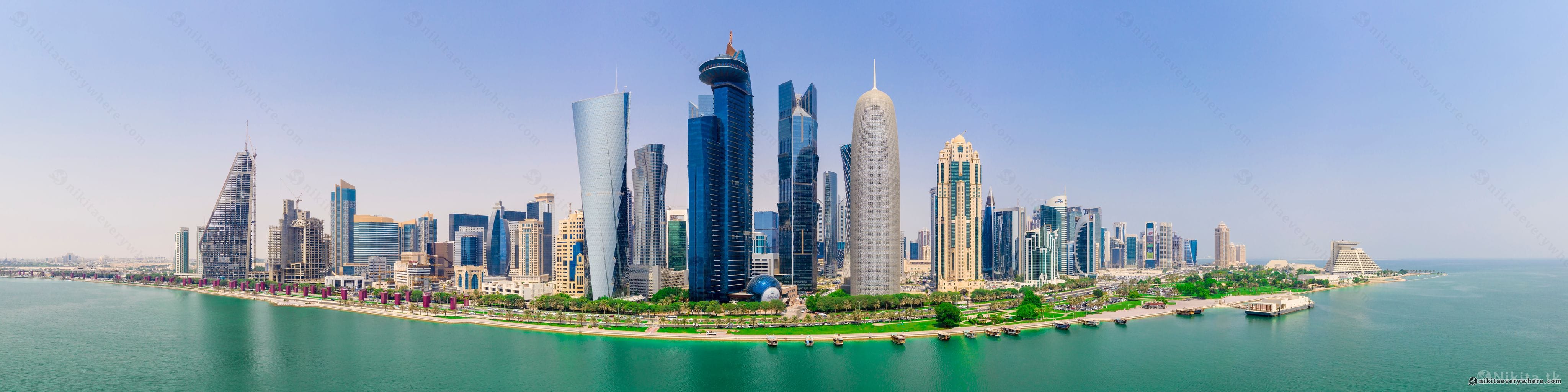
A long layover in Doha gave me a chance to explore Qatar briefly. What started as a fueling stop in the desert has transformed into one of the world's most ambitious modern cities.
Qatar has just 2.9 million people, though only about 300,000 are Qatari citizens - the rest are expatriate workers. It has the world's third-largest natural gas reserves, which funds everything you see. Fun fact: Qatar has the highest GDP per capita in the world, and air conditioning accounts for nearly 60% of the country's electricity consumption.
What I Experienced
Doha's skyline is striking. The futuristic towers of West Bay rise from the desert like something from a science fiction film. The contrast between ultra-modern architecture and traditional Islamic design creates a unique aesthetic. The I.M. Pei-designed Museum of Islamic Art is particularly beautiful.
The Souq Waqif offers a more traditional experience - winding alleys, spice shops, fabric merchants, and cafes serving shisha and Arabic coffee. It's been restored rather than preserved, but the atmosphere is pleasant, especially in the evening when the heat subsides.
The heat in September was intense. Even a short walk outside meant sweating through clothes. Air-conditioned malls aren't just for shopping here - they're survival infrastructure.
Practical Notes
- Qatari Riyal is the currency (pegged to USD)
- Doha is very spread out - you'll need taxis or ride-sharing
- Alcohol is available only in licensed hotels
- Dress modestly, especially at traditional sites
- Qatar Airways offers generous layover packages
Qatar is fascinating as a study in rapid development, even if a day barely scratches the surface. The 2022 World Cup has since transformed it further.
High-resolution aerial panoramas from Qatar are available for purchase with commercial license - ideal for Gulf travel marketing, modern Arabian architecture content, or futuristic skyline wall art.